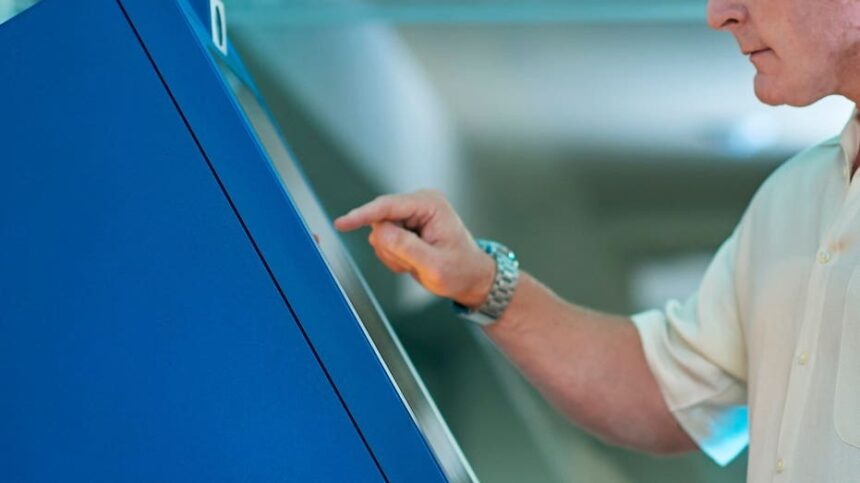
after scammers reportedly used the machines to drain nearly $1 million from residents over the past few years. The machines, also called cryptocurrency kiosks, let people turn cash into digital currency quickly. That speed has made them a favorite tool for criminals who pressure victims during fake emergencies, legal threats and romance scams.
The ban takes effect Aug. 1, 2026. Operators must remove publicly accessible machines by the end of the year. State officials say scammers have used these kiosks to turn panic into payments. A victim gets a frightening call, heads to a machine and sends cash before anyone has time to step in. That quick window is exactly what criminals count on and what Minnesota wants to stop.
Sign up for my FREE CyberGuy Report
Between 2023 and 2025, Minnesota logged 134 complaints involving crypto kiosk scams. Reported losses came close to $1 million. In 2025 alone, the state reportedly saw 70 cases and more than $540,000 in losses. Those numbers likely tell only part of the story. Many victims never report what happened. Some feel embarrassed. Others worry their family will judge them. Scammers know that silence helps them move on to the next target.
Minnesota had already tried adding safeguards to these machines. The state required warnings, limits and consumer protections. Yet law enforcement officials said scammers adjusted. They stayed on the phone with victims, coached them through the screens and told them what to say if anyone asked questions. Now, Minnesota is taking a much stronger step by removing the machines from public use.
Crypto kiosks create a dangerous mix for scam victims. They accept cash, move money quickly and usually leave very little room for recovery once the transaction goes through. With a bank transfer or credit card payment, there may be some chance to pause, dispute or trace the money. Crypto works differently. Once the digital currency leaves the wallet, the transfer can move across borders or through multiple wallets before anyone knows what happened.
That leaves victims in a brutal position. They may realize the call was fake only minutes after sending the money. By then, the cash has already been converted to crypto, and the scammer has likely moved it again. That is why scammers love these machines. They do not need to hack your bank account. They only need to scare you enough to follow their instructions.Â
Most crypto ATM scams begin with pressure. The caller may claim you missed and face arrest. Another scammer may pretend your grandchild caused an accident and needs bail money. Someone posing as a bank employee may say your account is under attack and your money needs to be “protected.” The story changes, but the pressure feels the same. The scammer wants you scared, rushed and alone.
Then comes the payment demand. You may be told to withdraw cash and drive to a nearby crypto kiosk. The scammer may text you a QR code or wallet address. They may stay on the phone the entire time and tell you to ignore warnings on the screen. That last part is key. Many victims do see alerts. They still move forward because the scammer has created fear and urgency. In that moment, the warning on the machine has to compete with someone shouting that a loved one is in trouble or that police are on the way.
We have seen this pattern before. The scam starts with a believable story, then the pressure builds until the victim feels there is no time to think.
after scammers convinced her she had missed jury duty. They sent her to a Bitcoin ATM inside a convenience store and kept her on the phone while she followed their instructions. Thankfully, a bank manager later helped stop the scam from getting worse.
Then there was the after a fake PayPal refund scheme pulled him into a much bigger trap. What began as a $10,000 crypto ATM transfer eventually turned into gold coins handed to a courier.
And in an